🙡 Sapokanikan 🙣
The world cup is going on and it feels so important. The players are seen by billions of people, an incomprehensible experience for humans that even the perception crushing presence of a hundred thousand can't simulate. Amongst war, amongst famine, amongst disaster, this theater is what we pour our hearts into. And yet, in many places, as the world cup commands earth-shattering significance in people's minds, there are many that don't even know it is going on.
Lionel Messi has been the face and name most recognized in many hemispheres for some time now (including when a fellow Argentine man was the head of Catholicism). Players of lore are sometimes venerated higher than saints and hated more than devils. Cultures of all continents ask for divine blessings for their matches and thank their gods for victory. These are not games, they are ordained. They are fate.
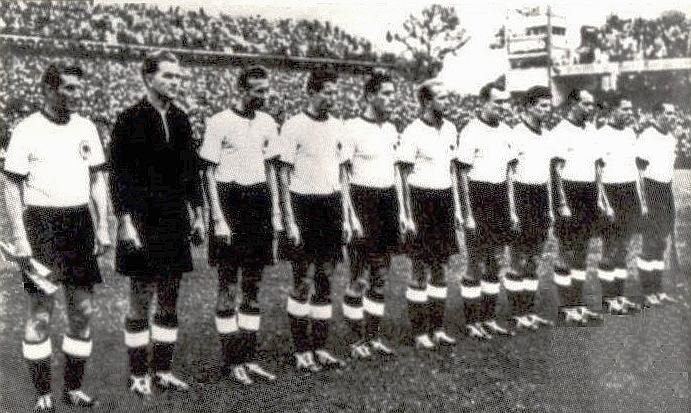
And yet, all these stories of glory and tragedy, these beautiful moments cast in stone and memetics, all these things that feel transcendentally iconic and eternal, are so very young, and so easily forgotten. The sport itself is only recognizable in its current form if you go back a mere century or two. All of the great teams that have been canonized in their home countries are being forgotten. The importance and meaning lost to a new generation that never bore witness. Even with archivists trying to preserve the past, what could most people say of the recent 1954 world cup and why it was especially important to the eventual winners? Who today holds the same adoration for Leônidas the way the people of Brazil did before wave after wave after wave of other names took his place? Few people have any strong connection to their ancestors beyond beyond their grandparents. They are so far removed from you that any influence they may have on you is diluted amongst the sea to become totally dissolved. Warlords conquest for immortality (measuring themselves to history), yet live only in print, buried under a pile that never stops burying them.
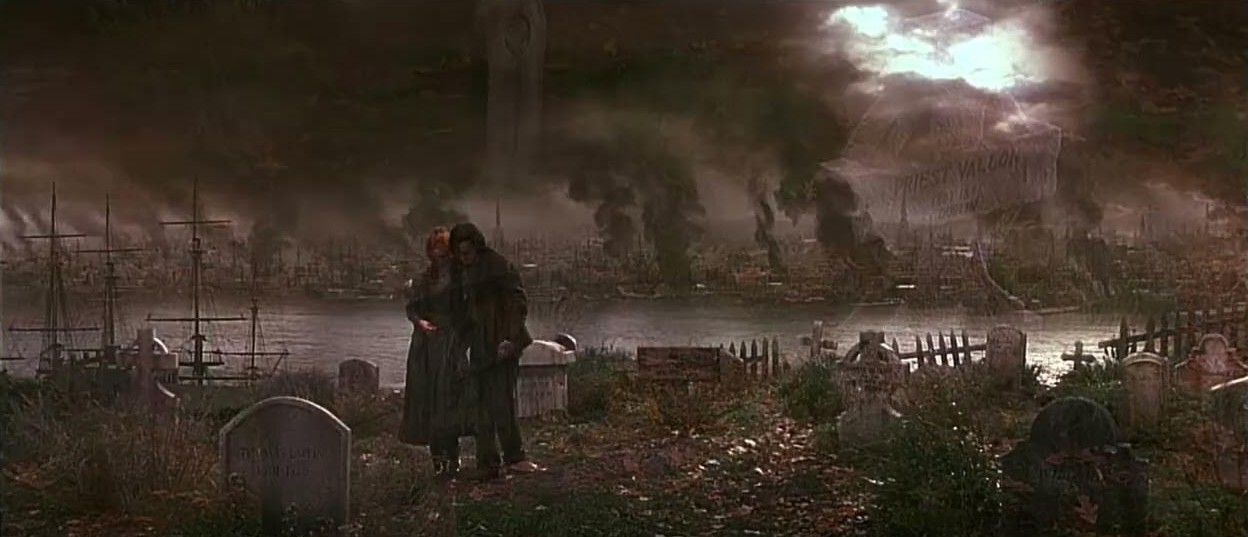
And any significance originally held ever-shrinks & is lost in relative size with the map of Sapokonikan. And any memory is covered like Tobias and the angel. Learning of all those we walk over, whose "...cause that they died for are lost / In the idling bird calls"". It makes me want to go to "...the Western Front / Where work might count". But where has that ever been? Where could that ever be?
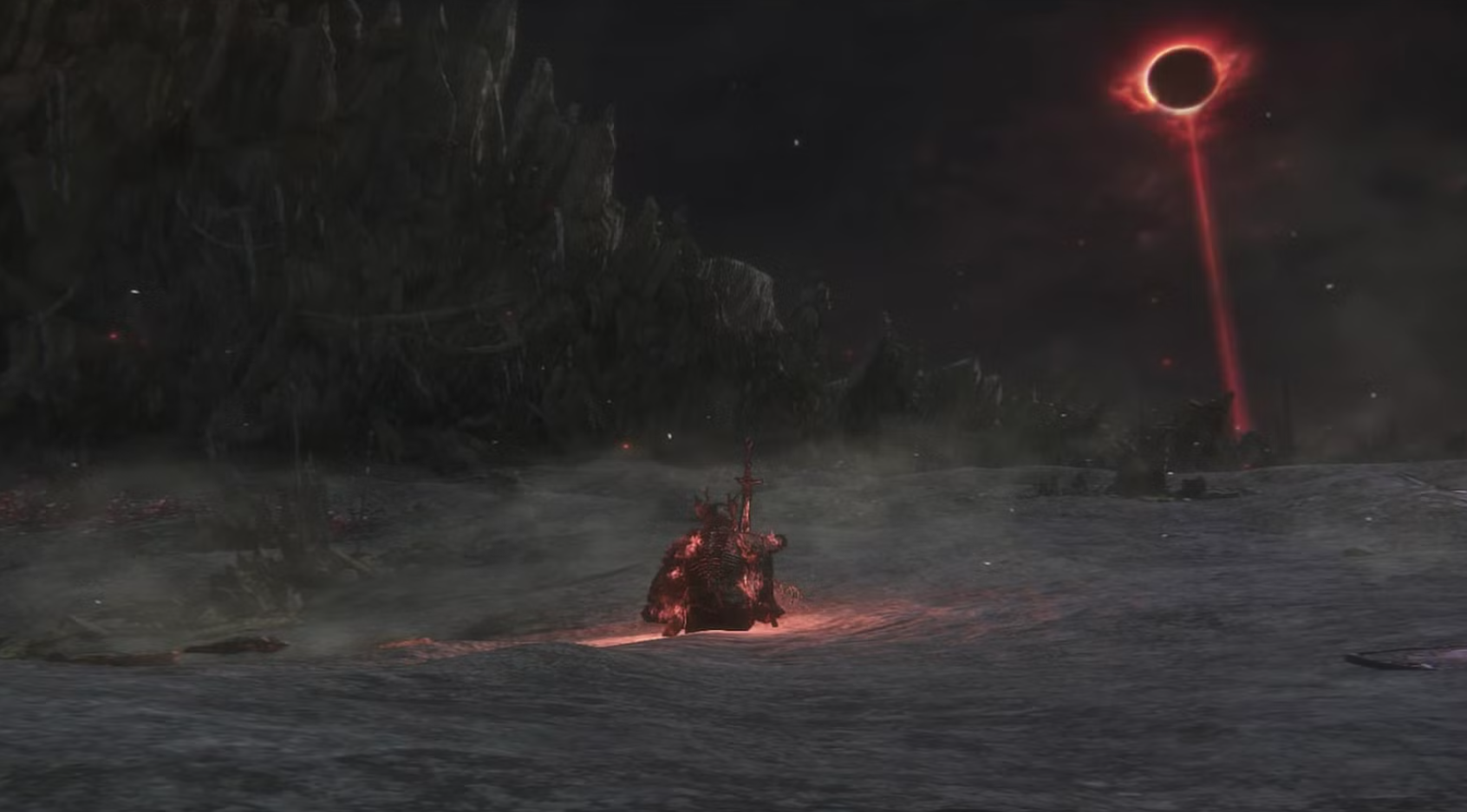
The two main endings of ds3 are nearly the same, unlike ds1 (where playing into gwyndolin's story does turn the wheel of the world, delaying the inevitable for a time). You do all the same things and the postgame state is only held up by linking the fire for a little longer until it falls to darkness anyways. The major difference is the subjective experience of going through the actions of the ashen one. It's the difference in lifestyle between the zen buddhist philosophy of human emptiness found across souls game and deity religions that ascribe purpose to every action and life. You either believe you are undertaking a noble journey on behalf of the gods for which you will be rewarded & remembered for all time in the pantheon of legends as a savior of all existence. Or, you know that this is an accursed undertaking, that you are carrying a quiet burden, and you are putting an ailing world to rest, seen and remembered only by the lone and leveled ash.
The 'but what of it?' feels like it contains a lifetime. It feels so immediately obvious but why? "But in as much as that light is loaned, / insofar as we've borrowed bones, / must every debt now be repaid / in star-spotted, sickle-winged night raids, / while we sing to the garden, and we sing to the stars, / and we sing in the meantime, / wherever you are?" And so it is, the eternal night birds sing the same as us mortals. They sing to sing.

We have a desire for the eternal, to go where the dew won't dry, yet it's here in this land of splintered light where we find ourselves in the eternal present. There are strange mixtures of trying to embrace this. It is both extremely natural and extremely spritual, to be both like an animal in the forest and the great light with no need to bend. Yet, in our middle place, neither comes naturally. To be aware of time is to be very human. To live by hours, to live by weeks, to live by seasons, to live in relativity to ages. To compare, to contrast, to separate. To love, as something that must be fragmented. Our memory, that holds us, that give us things to hold and to lose. That lets us know what we've lost... As I continue to try to comprehend Anecdotes, Divers, and Joy, as a Symptom
To return briefly to where we started, for the moment. So, what do we do when even the most important event of our age will soon be blown away? The World Cup's importance is in the moment rather than it being historical. The beauty of something we call iconic is beautiful whether or not it will be remembered. It's important because all of us are there, together, making it important, then. We create the very sports meaning out of nothing. We agree to a strange set of rules to follow and agree to strange tournaments over nothing People who give themselves over to this constructed illusion can feel intense dread and agony along with near transcendental elation (like stories, the simplicity & black & whiteness aids this when the world is relentless in its complexity and 'it dependsness'), "I wasn't in my body, I was in some other place, some light soaked plane of existence where all hope is rewarded." A few seconds later because someone blew a whistle a person kicking a ball into a net in the exact same way inspires none of the intense emotion it would have. It's so pointless, vacuous, inconsequential, like a sunset. Like music. To feel joy in full color and not even knowing why. Love need not be rational, to be able to love something is a divine blessing. Humans love and experience beauty because we sense it and we feel it. Not always for a reason, even though we feel we need one. We love to celebrate so we give ourselves over to illusions and try not to break them. We create holidays, we decide a birthday is special, and we get to eat cake.
After years and years of following a baseball team since childhood, "my" team finally won the world series. The ride and the joy to get there was so exhilirating, but once the trophy was lifted it suddenly felt so, empty. That's it? Now what? What do the winners do the next morning? Winning the NLCS felt better as the excitement continued as the future continued on the horizon. But now it was over, was this the reason for all this wishing and hoping and waiting? The illusion was broken and it all seemed so pointless.
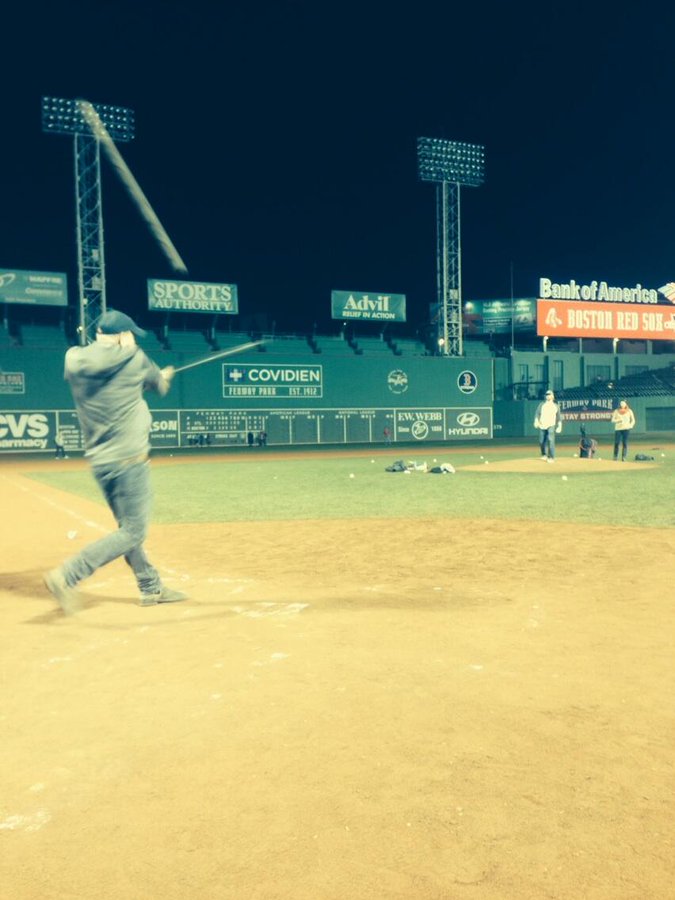
I remembered, a decade before, a small story I'd heard. After a Boston pitcher had won the world series, after the champagne and revelry, he stayed at Fenway Park, deep into the night, at 3am he was still throwing to anyone who stayed. Fans came out of the stands and muffed about on the Fenway dirt, to play. To play, to play, to play